It has always been a trademark of prudence to plan wisely for the future. Whether it be in saving money to achieve a desired goal, preparing for a spouse or family, buying a new home, savvy planning anticipates the need and tries to provide for it in a timely fashion. It is no less valuable to prepare for approaching golden years with aging in place planning for the future and a smart aging in place design.
Aging in Place Design Strategies for North Metro Atlanta Homes
Aging in place design strategies enable elderly or individuals with handicaps to remain in their beloved homes, functioning as independently as possible in their own familiar surroundings. Features of the design include the following:
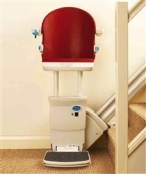
- Various stair lifts, elevators and ramps overcome potential difficulties navigating staircases.
- Widening of doors and hallways allow smooth passage for mobility devices.
- Bathroom accessories, such as grab bars, roll-under sinks, non-slip surfacing, shower
 benches, walk-in tubs or accessible showers, foresee the challenges associated with bathroom use and eliminate the worry.
 - Special handles on doorknobs and faucets make use very easy for those with coordination issues.
- Garden design strategies that highlight aging in place landscape design in the garden
Whether you are considering aging in place planning for the future or have a need to upgrade more immediately, get an in-home assessment to see if an aging in place design can make your Atlanta home safer and more comfortable for everyone.
Expanding the Conversation: Practical Steps for a Safer Future
One of the most overlooked aspects of growing older is when to begin preparing. Many families wait for a fall, a medical diagnosis, or a sudden mobility change before making modifications. Yet proactive aging in place planning allows homeowners to make thoughtful decisions without stress or urgency. By acting early, you can prioritize comfort, aesthetics, and budget, rather than scrambling to address safety after an accident. Early planning also lets you phase projects over time—starting with simple upgrades like lever handles and brighter lighting before moving on to structural changes such as zero-step entries or stair lifts.
Room-by-Room Evaluation of Your Atlanta Home
A room-by-room evaluation is an effective way to approach aging in place planning. Begin at the front door and consider how someone using a walker or wheelchair would enter. Inside, assess flooring for trip hazards, identify narrow passages, and look for dark corners that could benefit from better lighting. Kitchens may need pull-out shelving and lowered work surfaces, while bedrooms can be repositioned to the main floor to eliminate stair use. This methodical walkthrough helps homeowners visualize future needs while maintaining the home’s warmth and personality. Don’t forget the entrances to the home, and navigation around the outside of your home. Accessible landscaped outdoor areas boost mood and encourage!
Technology now plays a major role in modern aging in place planning. Smart home devices can dramatically improve safety and independence. Voice-activated assistants allow residents to control lights, thermostats, and locks without standing or reaching. Video doorbells provide peace of mind, and fall-detection systems can alert loved ones instantly. These tools integrate seamlessly into daily life and are often far less intrusive than people expect. When combined with physical design improvements, technology bridges the gap between independence and security.
Aging in Place Planning: Include the Team of Cherished Family & Friends
Another important element of aging in place planning is involving family members in open, respectful conversations. Adult children often worry about safety, while parents may fear losing autonomy. Framing these upgrades as enhancements—not limitations—helps everyone align on shared goals. Emphasize that accessible design benefits guests, grandchildren, and even homeowners recovering from short-term injuries.
A well-designed accessible home adapts to life’s changes without broadcasting “medical” solutions, preserving dignity and independence for years to come.
Financial considerations are also central to effective aging in place planning. Many modifications are surprisingly affordable, especially when compared to the cost of assisted living or repeated hospital visits. Some improvements may qualify for tax deductions, insurance allowances, or veteran benefits. Planning ahead allows homeowners to budget realistically, bundle projects efficiently, and avoid emergency premiums. A professional assessment can prioritize changes that deliver the greatest safety impact for the lowest investment.
Aging in Place Planning is About Quality of Life, In Addition to Safety
Finally, aging in place planning is not only about physical safety—it’s about preserving quality of life. Remaining in a familiar neighborhood, close to friends, churches, and routines, supports emotional well-being. A thoughtfully modified home reduces daily frustrations and restores confidence. Instead of viewing these changes as signs of decline, consider them tools for continued independence. With the right strategies in place, your home can remain a place of comfort, identity, and freedom for decades to come.
Contact Atlanta Home Modifications
For additional information regarding stairlifts, walk-in tubs and accessible showers in the Atlanta metro area and north Georgia, please contact Atlanta Home Modifications by telephone at 770 880 3405, or via the contact form below.
Thank you for your response. ✨


 The Aging in Place Blog